Economic Agency is the ability to make independent economic decisions and participate in shaping economic policies, crucial in the evolving landscape of our global economy.
The Frontier of Automation is rapidly approaching, marking a significant shift where advanced general intelligence (AGI) technologies begin to permanently replace jobs, blurring the lines between capital and labor in unprecedented ways.
“The Frontier of Automation signals the era where AGI usurps jobs on a consistent and permanent basis, effectively merging material investment with labor. This phenomenon challenges the foundational structures of capitalism, eliminating the traditional distinction between capital and labor.”
This perspective emerged from a thought-provoking comment on a video discussing the International Monetary Fund's (IMF) insights on AGI and the transition to a post-AGI economy.
Economic Productivity: Up and to the Right
The potential of artificial intelligence extends beyond the confines of current debates, promising an era of enhanced goods and services production. AI's capability to improve production efficiency heralds a transformative shift in economic productivity, presenting opportunities for substantial advancements.
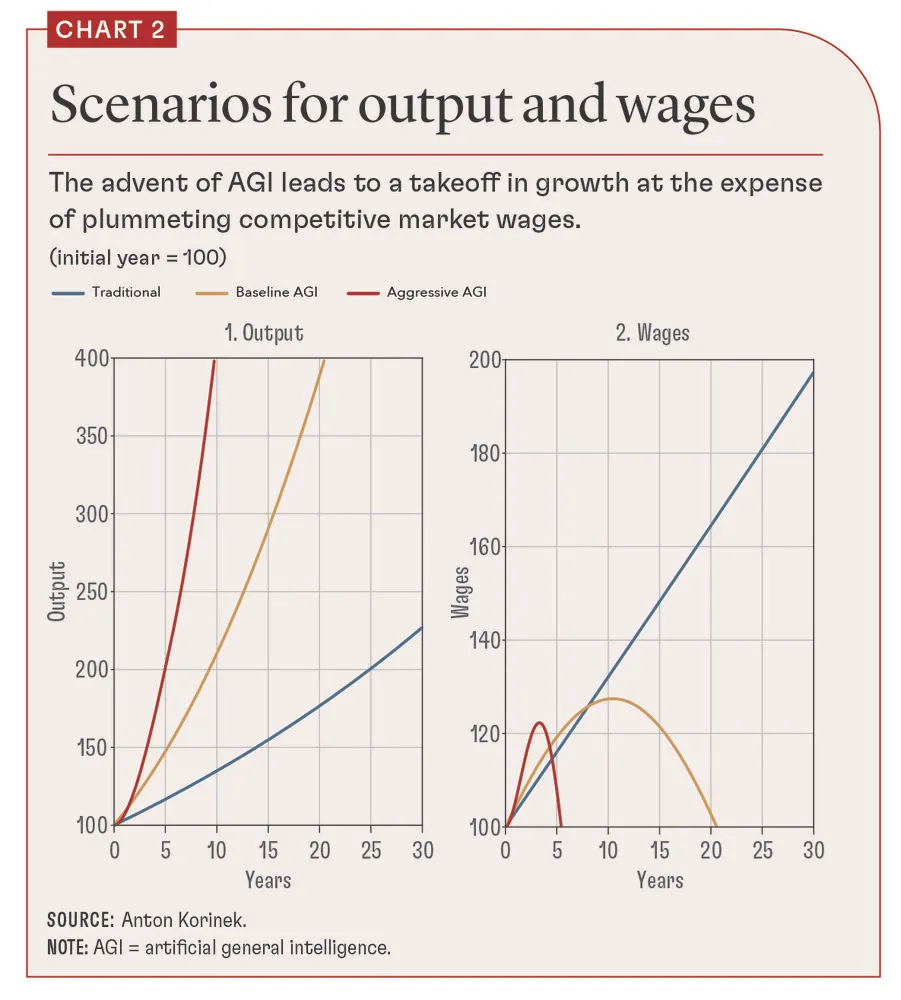
While technology's dual nature presents both opportunities and challenges, the overarching impact of AI on the economy is profoundly positive. The impending automation revolution may lead to significant shifts in industries such as healthcare and entertainment, potentially reshaping the economic landscape.
Navigating the Future of Work
The imminent automation wave prompts a reevaluation of human labor's role within the economy. As machines increasingly surpass human capabilities in key performance metrics, the economic rationale for human labor diminishes, ushering in a new era of automation-dominated industries.
However, certain sectors may continue to value human contributions, particularly those rooted in sentimental and experiential aspects, underscoring the nuanced future of work.
The Economic Shift: Labor Subsumed by Capital
Historically, technological advancements have prompted shifts towards more capital-intensive economic activities. AI's emergence is poised to fundamentally alter this dynamic, concentrating both capital and labor within the realm of technological ownership.
Challenging the Lump of Labor Fallacy
The concept of a finite amount of labor, a common misconception, fails to account for the dynamic nature of economic demand and human ingenuity. AI's potential to exceed human labor capacity does not signal an end to work but rather a transformation of its essence and value.
The Crucial Role of Economic Agency
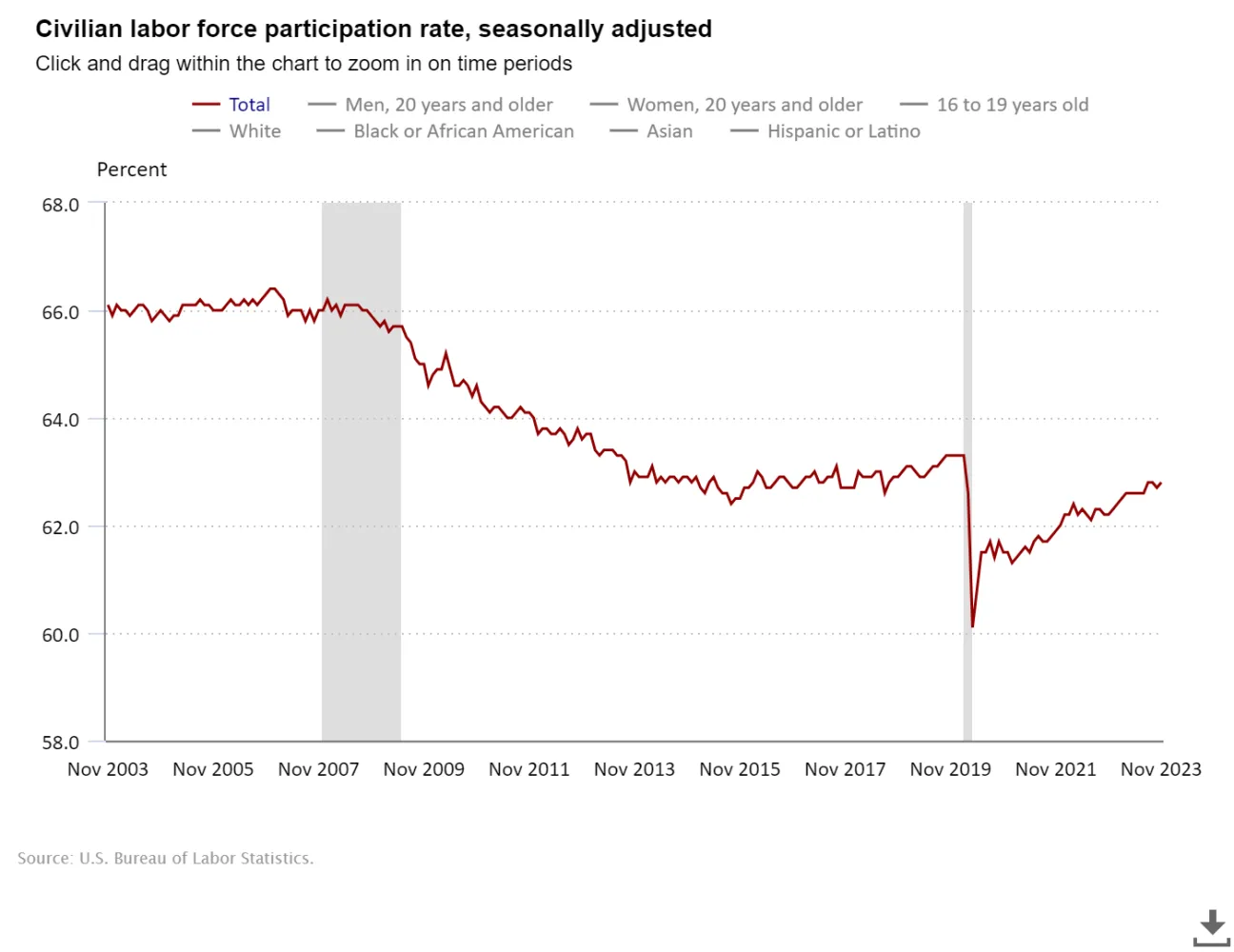
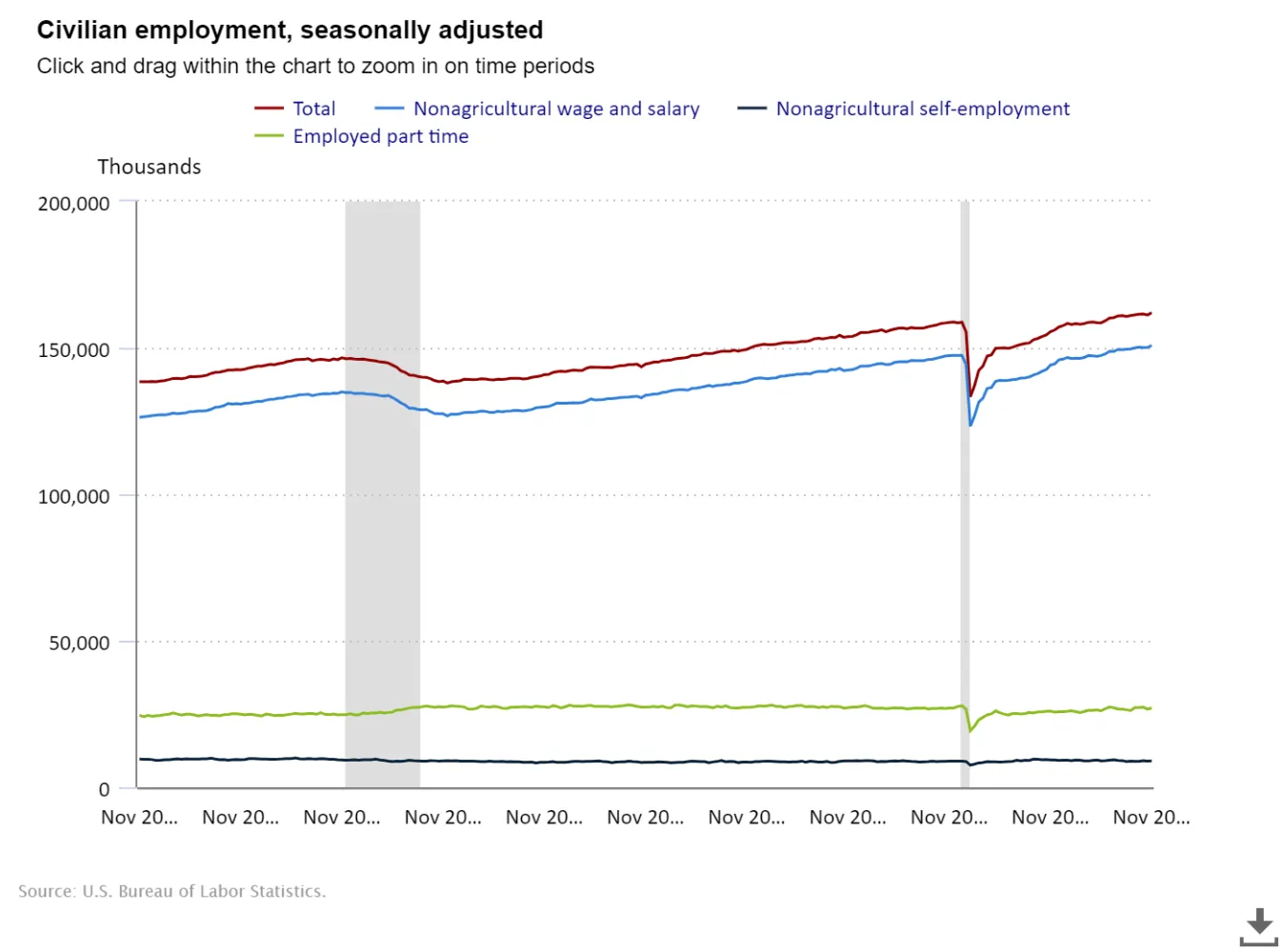
The concept of economic agency, encompassing the ability to participate actively in economic decision-making, becomes increasingly relevant in a post-labor economy. Ensuring equitable access to economic opportunities and fostering inclusive systems are essential for sustaining economic agency in the face of technological advancements.
Envisioning Economic Participation in a Post-Labor World
The transition towards a predominantly capital-driven economy raises questions about individual and collective economic participation. Proposals ranging from centralized redistribution mechanisms, such as Universal Basic Income (UBI), to decentralized private ownership models, suggest pathways for inclusive economic engagement.
Exploring New Models of Economic Participation
Innovative approaches to economic participation, including decentralized ownership and stakeholder capitalism, offer promising avenues for ensuring broad-based economic agency. These models emphasize shared ownership, equitable stakeholder value, and community-oriented economic structures.
Conclusion: Strengthening Economic Agency
As we navigate the transition to a post-labor economy, the concept of economic agency stands as a beacon guiding our efforts to create inclusive, equitable, and sustainable economic systems. By embracing innovative models of economic participation, we can ensure that the benefits of technological advancements are widely shared, fostering a future where economic agency is a reality for all.